One wheel. A movement.
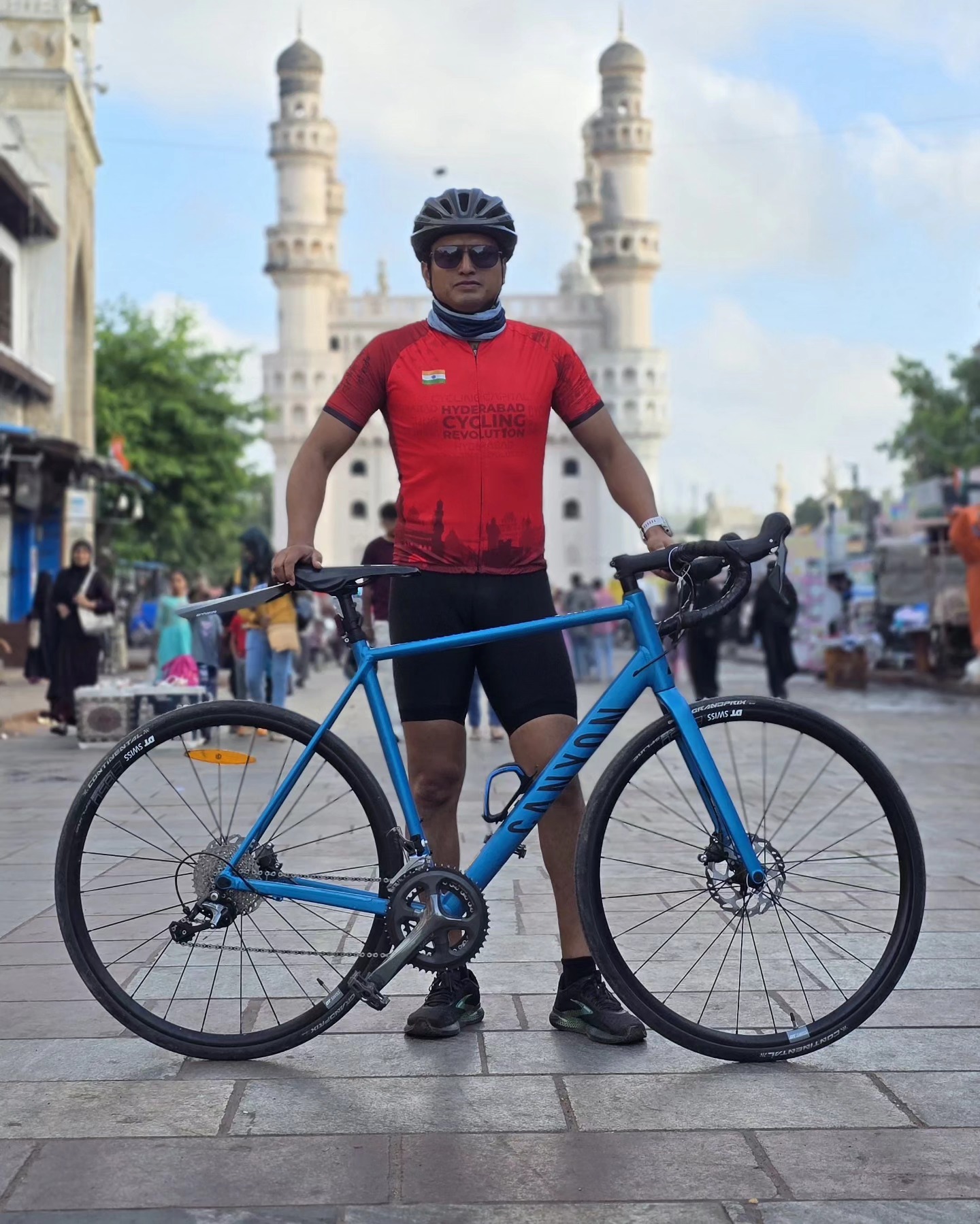
Ravi NethaCycling Ambassador & Movement Builder
“One wheel can move a person. A movement can move a city.”
- Fit India
- Cycling Ambassador — Telangana
- Hyderabad Cycling Revolution
- Co-Founder
How it started
A death on a road without a cycle lane.
31 December 2021 — 1 January 2022
A cyclist was killed. The city's riders stopped asking politely.
On 31 December 2021, around 5.45 am near the Botanical Garden in Gachibowli — opposite the Pala Pitta cycling park, on a busy road with no cycle lane — a car hit two cyclists from behind.
Nithin Agarwal suffered critical head injuries and died on 1 January 2022. His riding partner Sanjeet Srivastava survived with minor injuries.
Police recorded the driver's blood alcohol concentration at 186 mg, against a permissible limit under 30 mg. He was booked for negligent driving and drunk driving.
Hyderabad's cycling community gathered at KBR Park on 9 January 2022 to remind motorists that cyclists share the road — the protest that hardened into the #WeTooShareTheRoad campaign.
Wheel of the journey
One rider at the hub. Seven years around the rim.
Select a year on the rim. Each entry separates what Ravi did from what the wider community achieved, and carries the label of the source it comes from.
Fit India Cycling Ambassador, Sundays on Cycle, Street Audit India
IIT Hyderabad hosts Sundays on Cycle with over 1,000 participants, and cyclists launch Street Audit India to document street conditions and push for safer roads and a connected cycling network.
Telangana Today's coverage of the IIT Hyderabad event identifies Ravi Netha as a Fit India brand ambassador; TOI reports the Street Audit India launch.
Spoke 01
Fitness
Cycling as everyday health, not a weekend hobby — the Fit India idea carried to the street.
Spoke 02
Community
Rider groups, weekend rides and volunteers that turn strangers into a network.
Spoke 03
Service
Relief Riders and Project Diya: two wheels used for medicines, essentials and blood support.
Spoke 04
Mobility
Cycling tracks, connected networks and active mobility as transport policy.
Spoke 05
Safety
#WeTooShareTheRoad, street audits and the right to arrive alive.
Spoke 06
Youth
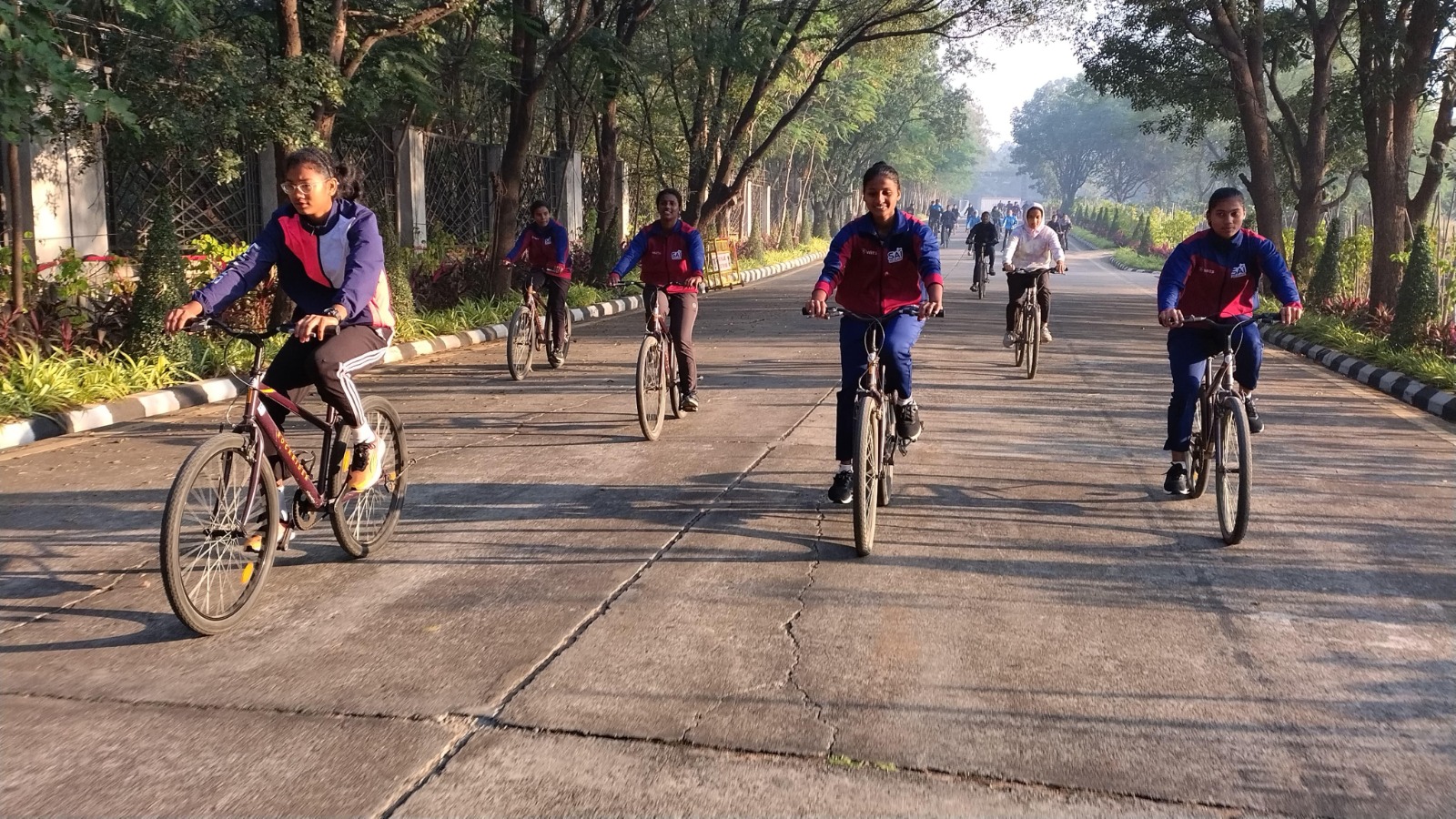
Bicycles and safe routes for students, especially girls, so mobility starts early.
About
A cyclist who kept turning up.
Ravi Netha is a Hyderabad-based cycling advocate. What began as riding with a handful of people became a citywide effort to make cycling normal — safe enough for a student, useful enough for a commuter, visible enough for a government department.
His work sits at the intersection of fitness, road safety and civic engagement: helping organise community rides and campaigns, showing up in stakeholder meetings on cycling infrastructure, and turning the bicycle into a tool for service during crises.
Throughout this site, collective achievements of Hyderabad Cycling Revolution and Relief Riders are described as collective. Ravi-specific roles are stated only where a public source names him.
Background
A civil engineer reading his own city's streets.
Master's in Civil Engineering — London, UK
Postgraduate civil engineering education in London, the technical grounding behind his reading of streets, junctions and infrastructure.
London Olympics 2012 — project work
Worked on projects linked to the London 2012 Olympic programme, where walking, cycling and public transport carried the crowds instead of cars.
20 years in the built environment
Two decades of professional experience across engineering and project delivery, now applied to Hyderabad's streets as a civic volunteer.
Fit India Cycling Ambassador — Telangana
National fitness programme ambassadorship carried into weekly city rides and campus events such as Sundays on Cycle at IIT Hyderabad.
Professional background as stated on Ravi's public LinkedIn profile; self-reported and not independently audited.
Fit India
Cycling Ambassador — Telangana.
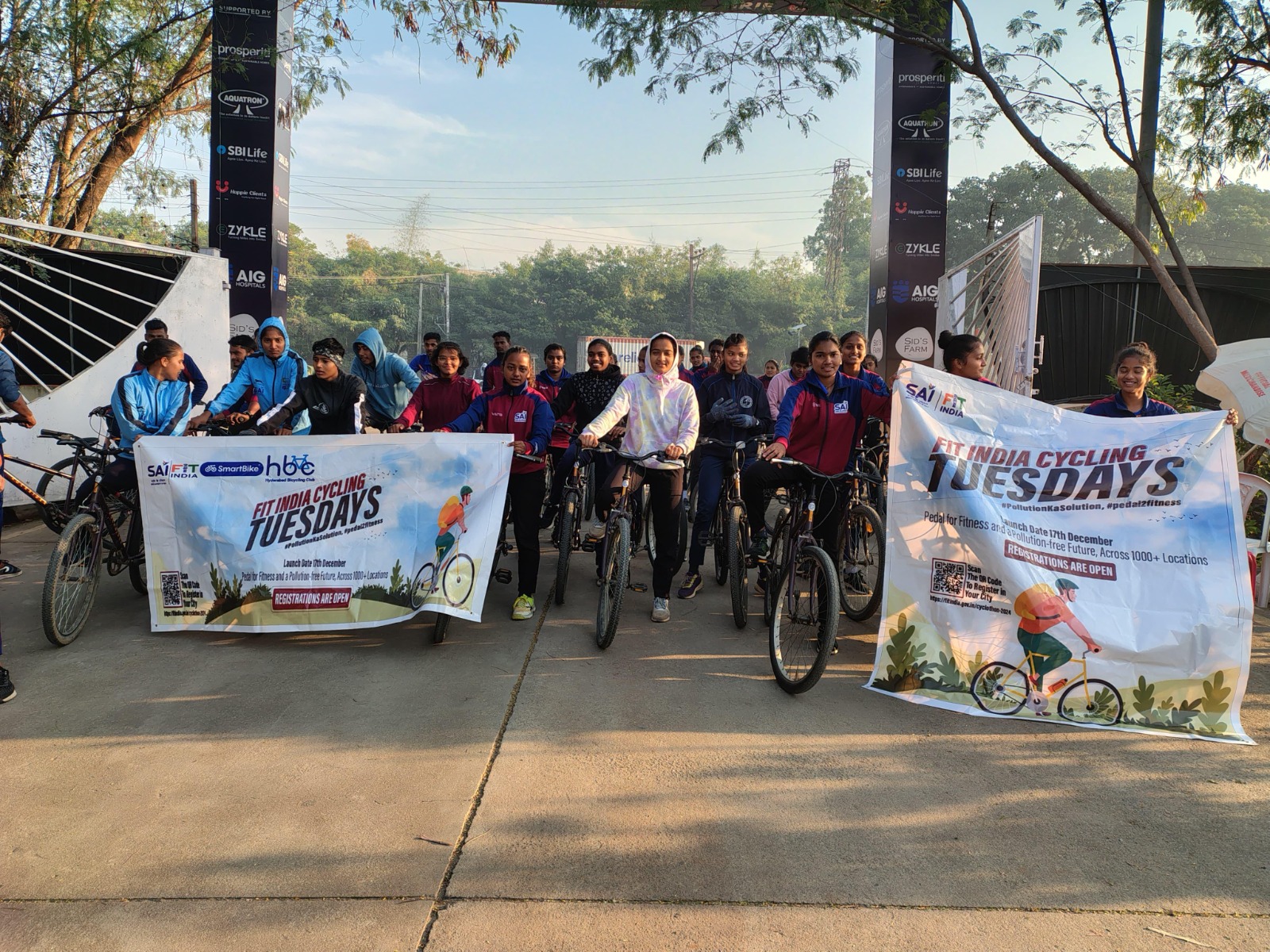
In 2026, IIT Hyderabad hosted a Sundays on Cycle edition that drew more than 1,000 participants. Coverage of the event identifies Ravi Netha as a Fit India brand ambassador, connecting the national Fit India push to Hyderabad's existing rider community.
The ambassadorial role is about repetition rather than spectacle: Sunday rides, campus engagement, and framing cycling as everyday fitness for students and working adults.
Hyderabad Cycling Revolution
A rider group that learned to talk to a city.
HCR started around 2020 as a community of riders and grew into an advocacy platform: weekend rides, campaigns, annual reporting, and sustained engagement with the agencies that build and maintain roads.
In 2022, the #WeTooShareTheRoad campaign put road safety at the centre — arguing that cyclists and pedestrians are road users, not obstacles. The Times of India's 2022 coverage of the cyclists' campaign to reclaim roads identifies Ravi Netha as event coordinator.
HCR material identifies Ravi Netha and Anjani TSN as HCR Core Team. Hyderabad Mail's 2024 feature describes Ravi as a co-founder and core member.
Event coordinator, 2022 road-reclaim campaign
Core Team (with Anjani TSN)
Co-founder & core member (2024 feature)
The campaign, version by version
One movement, released in versions.
HCR 1.0
Ride, relief and Project Diya
Weekend rides become a service network: Relief Riders carry medicines and essentials through the pandemic, while Project Diya collects pre-used bicycles, repairs them and donates them to people who need transport.
Media reportedANI, 2021 — Project Diya cycle donationsHCR 2.0
#WeTooShareTheRoad
After Nithin Agarwal's death, riders take a public position on road safety: cyclists and pedestrians are road users, not obstacles. TOI's coverage of the campaign names Ravi Netha as event coordinator.
Media reportedTOI, 2022 — City cyclists plan revolutionHCR 3.0
Active mobility and public transport
The campaign widens beyond cycling: alongside cyclists and pedestrians, it advocates public transport as part of an active-mobility city — the same year as sustained engagement on the 21 km ORR cycling track.
Media reportedTelangana Today, 2023 — HCR 3.0
Initiatives & collaborations
What the movement actually runs, week after week.
Campaigns, rides and partnerships that repeat — some annual, some weekly, some born out of a single bad morning on a road with no cycle lane.
Sundays on Cycle at IIT Hyderabad
A Fit India Movement edition on the IIT Hyderabad campus drew over 1,000 participants — students, staff and city riders — making campuses a regular stop for the ride calendar.
Official/InstitutionalSolar-covered ORR cycling track
The inauguration of Hyderabad's 21 km Outer Ring Road cycling track under a solar canopy — a first-of-its-kind stretch, and the reference point for every later ask about a connected network.
HCR reportedRelief Riders — food and medicine
Cyclists organised as a delivery network through the pandemic: medicines, meals and essentials carried to households and hospitals, plus blood-donation support coordinated over the same rider group.
HCR reportedProject Diya — 228 bicycles
Pre-used bicycles collected, repaired and donated to people who need transport — 228 bicycles distributed to date, with over 150 going to girl students so school is a ride away, not a walk.
Media reported#WeTooShareTheRoad
The road-safety position born after Nithin Agarwal's death on 1 January 2022: cyclists and pedestrians are road users, not obstacles, and every road design should say so.
Media reportedPublic transport & active mobility
Advocacy for buses, metro and last-mile cycling as one system — because a city that moves people well needs fewer private cars, not wider roads.
Media reportedCycling Bathukamma
Telangana's flower festival on two wheels: riders carry Bathukamma to the water, turning a state tradition into a public, low-emission celebration on the street.
Public ProfileWorld Bicycle Day — every 3 June
An annual city-wide ride and awareness drive marking the UN's World Bicycle Day, used each year to restate the ask for safe cycling space.
Public ProfileTelangana Runners Society — 15 districts
Runner and rider communities linked across 15 districts of Telangana, extending fitness and street-safety work well beyond Hyderabad's city limits.
Public ProfileNight patrolling with police
Night rides run in collaboration with police teams — visible patrolling on cycles that doubles as a safety audit of dark stretches and unlit junctions.
Public ProfileHigh beam × Low beam
A driver-behaviour campaign against blinding high beams: dip your lights for the cyclist, pedestrian and rider coming the other way.
Public ProfileTelangana culture & heritage rides
Weekend rides that gather at a historic place each week — Charminar, the Musi river, stepwells and old quarters — pairing riders with heritage experts.
Media reported
Relief Riders & Project Diya
When the city stopped, the bicycles didn't.
During the pandemic, riders organised as Relief Riders — carrying medicines and essentials, coordinating requests, and reaching places where vehicles were slow or unavailable. Project Diya extended that effort into community support beyond emergency relief.
The work continued past the crisis: health drives and blood-donation support coordinated through the same rider network in 2023.
HCR's 2021 annual report records Ravi as a lead volunteer on Project Diya and describes him as a pillar of the cycling and community network. Relief and blood-support outcomes are collective achievements of the rider network, not individual claims.
Cycling infrastructure & active mobility
21 kilometres, and the argument for a network.
Hyderabad's Outer Ring Road cycling track — including a solar-panelled stretch — became a reference point for what dedicated cycling infrastructure can look like in India, and a live case study in maintenance, access and connectivity.
HCR's account of that history records Core Team engagement across HMDA, HGCL, GHMC and MAUD, and the use of the 6E framework (education, encouragement, engineering, enforcement, evaluation and equity) to structure the ask.
From 2024, the agenda widened to active mobility as transport policy: connected routes, first-and-last-mile cycling, and sustainability rather than one showpiece track.
HMDA / HGCL
Track planning, upkeep and access on the ORR corridor.
GHMC
City street conditions, junctions and everyday rider safety.
MAUD
Policy framing for cycling within urban development.
6E framework
Education, encouragement, engineering, enforcement, evaluation, equity.
Source label: HCR reported — stakeholder engagement as documented by HCR.
Street Audit India
Evidence before opinion.
In 2026, Hyderabad's cyclists launched Street Audit India: a structured way to document street conditions — footpaths, junctions, lighting, encroachments, cycling space — and take that record to the agencies responsible.
It reframes advocacy as documentation. Instead of arguing about whether a road is unsafe, the audit shows where and how, and what a fix would look like.
The Times of India reports the launch of Street Audit India by Hyderabad cyclists to promote safer roads. Alongside it, advocacy continues for a connected city cycling network rather than isolated stretches.
What gets audited
Street Audit | Civic Sense — nine things we document.
- Footpath encroachment & blocked walking space
- Blinding high-beams & vehicle lighting issues
- Missing or broken public transit infrastructure
- Clogged drains & civic sense failures (plastic/garbage)
- Potholes & dangerous road surfaces
- Unsafe pedestrian crossings
- Blocked or missing cycling infrastructure
- Streetlight dark spots
- Choked nalas & dying lakes (stormwater network failure)
Youth mobility
228 bicycles, and who gets to ride.
Mobility decides who can reach a school, a coaching class, a job interview. Distributing bicycles to students — with a deliberate focus on girl students — is the most direct version of that argument.
Bicycle distribution figures below come from Ravi's public LinkedIn profile. They are presented as self-reported and have not been independently audited.
228
Bicycles distributed
150+
Girl students among recipients
Public / self-reported figures from Ravi's LinkedIn profile — not independently audited.
Environment & heritage
The Musi, and the city around it.
From 2024, the community's work extended to sustainability and heritage. Under the Hyderabad Cycling Revolution 4.0 campaign, riders gathered each weekend at a historic place in the city; the Musi River Community Engagement rides paired riders and students with heritage experts — standing under a 1908 tamarind tree near Osmania General Hospital that once sheltered 150 people during the floods.
The rides ran alongside the Musi river rejuvenation effort, with support from GHMC, and fed into the 15 August Freedom Ride. Cycling is the connective tissue: a low-emission way to move through a city while paying attention to what is being lost or restored in it.
The road in frames
The people, places and moments behind the movement.
Chapter 01
The beginning
2020–21
A handful of riders, an early morning road, and the first conversations about who the city is built for.
HCR beginnings · 2020
When a few riders became a habit.
Source · @ravi_revolution
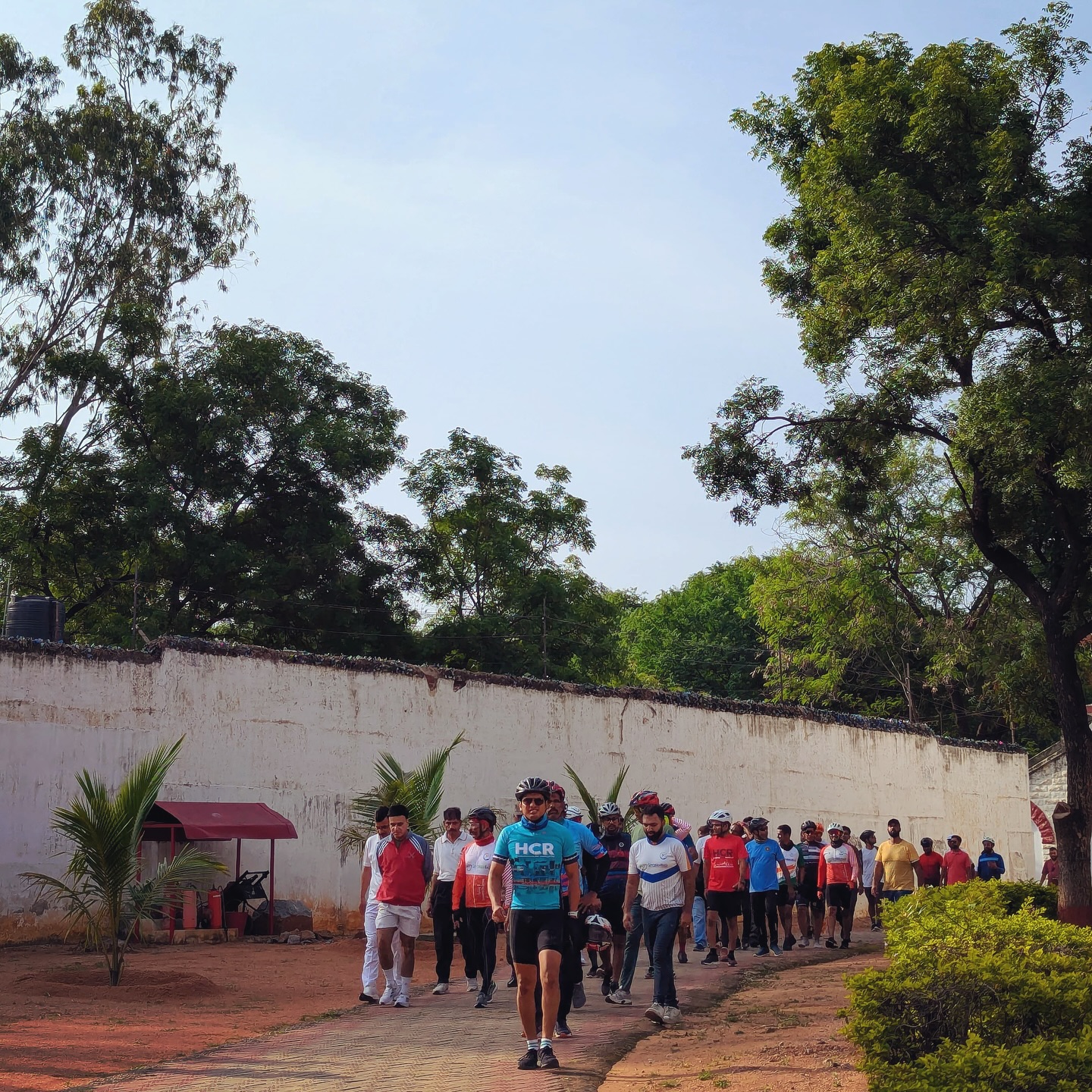
Community rides · 2021
The first rides were small, and weekly.
Source · @ravi_revolution
Chapter 02
The wheel serves
2021
Through the pandemic the bicycle became infrastructure: medicines, essentials, coordination.
Relief Riders · 2021
When the road became service.
Source · @ravi_revolution
Project Diya · 2021
Project Diya: relief tied to livelihood.
Source · @ravi_revolution
Chapter 03
The city responds
2022–23
#WeTooShareTheRoad, road-safety campaigns and the long work of the ORR cycling track.
HCR · 2022
Roads are shared infrastructure.
Source · @ravi_revolution
ORR cycling track · 2023
Twenty-one kilometres, and the case for more.
Source · @ravi_revolution
Chapter 04
The movement grows
2023–24
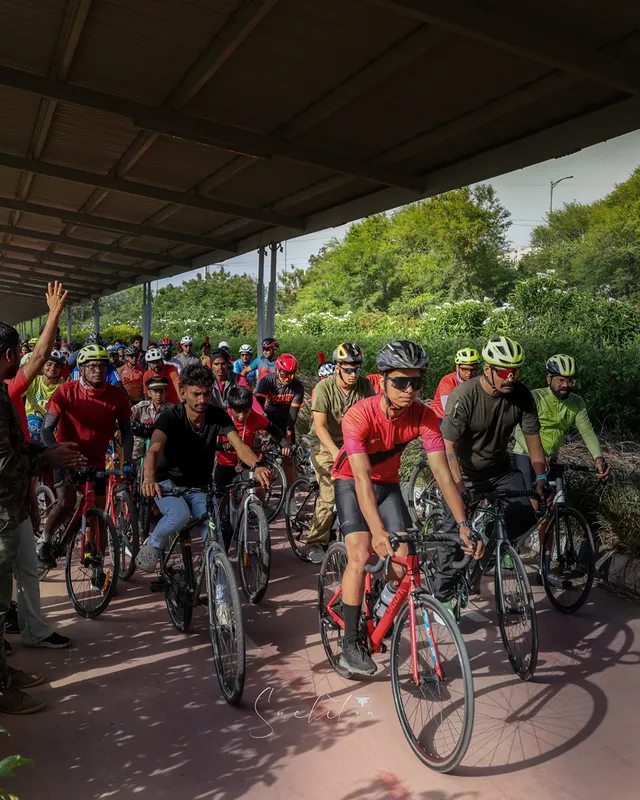
Large rides, active mobility, and a network that no longer needs an invitation.
Active mobility · 2023
A movement can move a city.
Image: PIB (Government of India)
Freedom Ride · 2024
Freedom Ride: the street, briefly, belongs to everyone.
Source · @ravi_revolution
Chapter 05
The city remembers
2024
Heritage, the Musi river and the environment — the city read from the saddle.
Musi & heritage · 2024
Heritage is also a mobility question.
Image: PIB (Government of India)
Environment · 2024
What the city is losing, and restoring.
Source · @ravi_revolution
Chapter 06
The movement meets Fit India
2026
Sundays on Cycle at IIT Hyderabad, and cycling recognised as everyday public health.
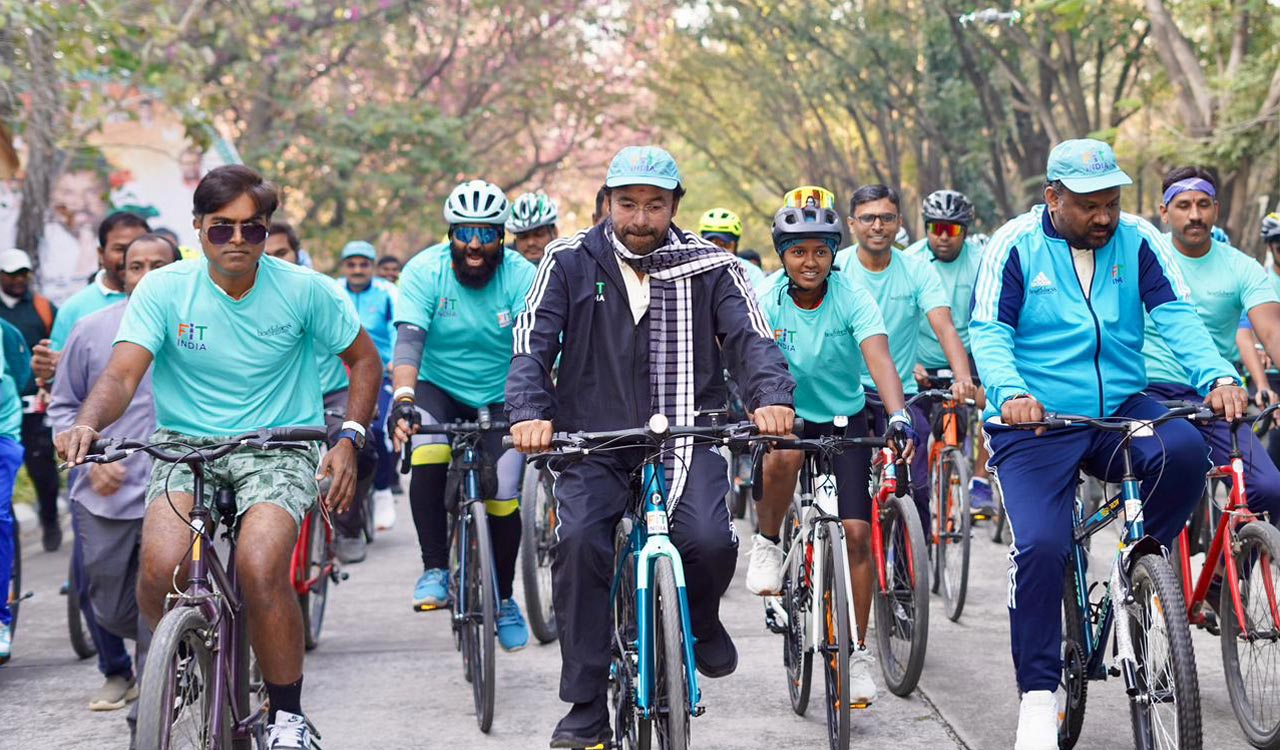
Sundays on Cycle · 2026
Over a thousand riders on one Sunday morning.
Image: Telangana Today
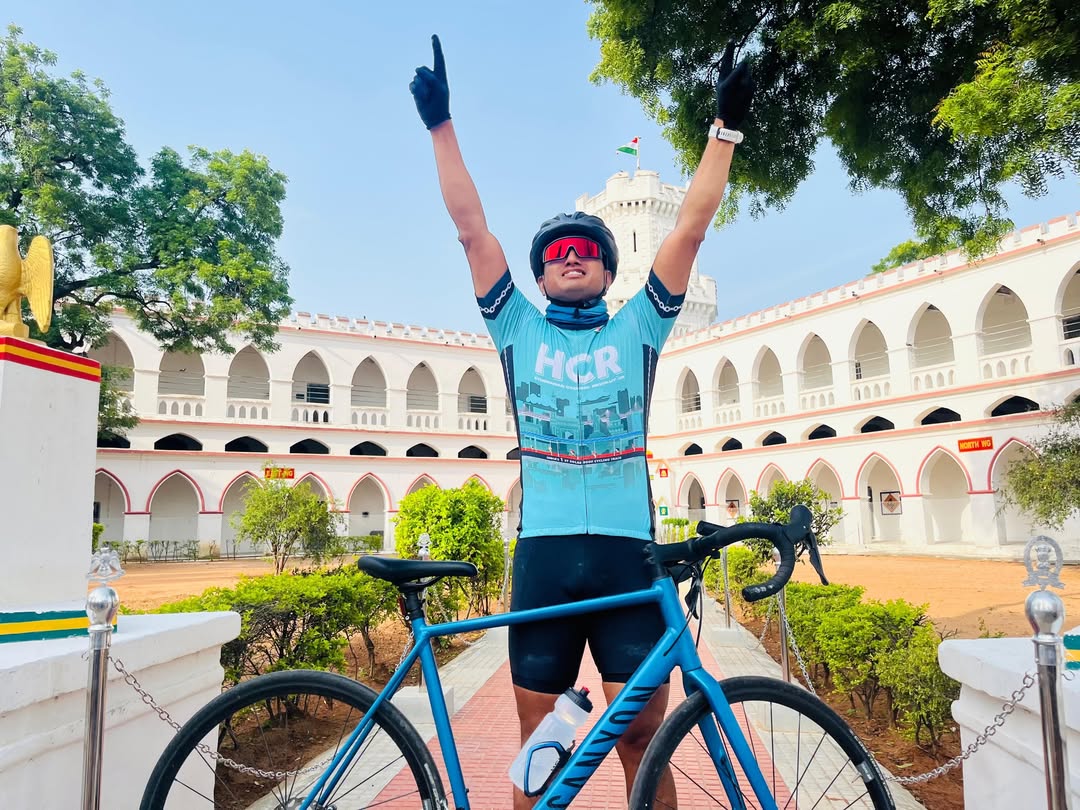
Street Audit India · 2026
Street Audit India: evidence before opinion.
Source · @ravi_revolution
The wheel comes full circle
Six years, one continuous turn.
The line that began as a road in 2020 closes as a wheel — the same movement, seen from a different point on the rim.
- 2020Community
- 2021Service
- 2022Advocacy
- 2023Infrastructure
- 2024Active Mobility
- 2026Fit India
Field notes
Frames from the road, in no particular order.
Start lines, felicitations, community walks and ordinary mornings. Select any frame to view it larger.
Charminar · Hyderabad
The old city, on a working morning.
Photograph · @ravi_revolution
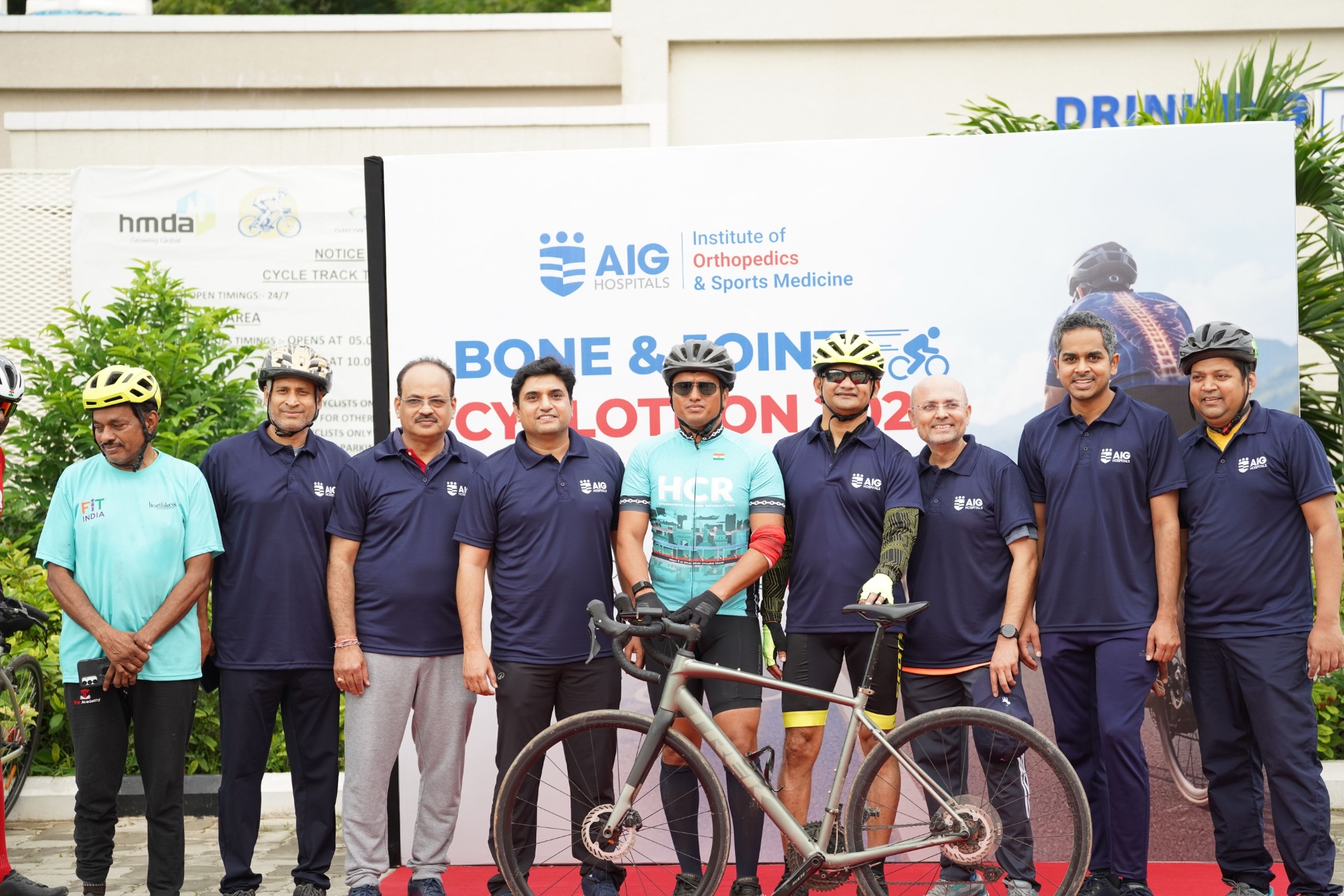
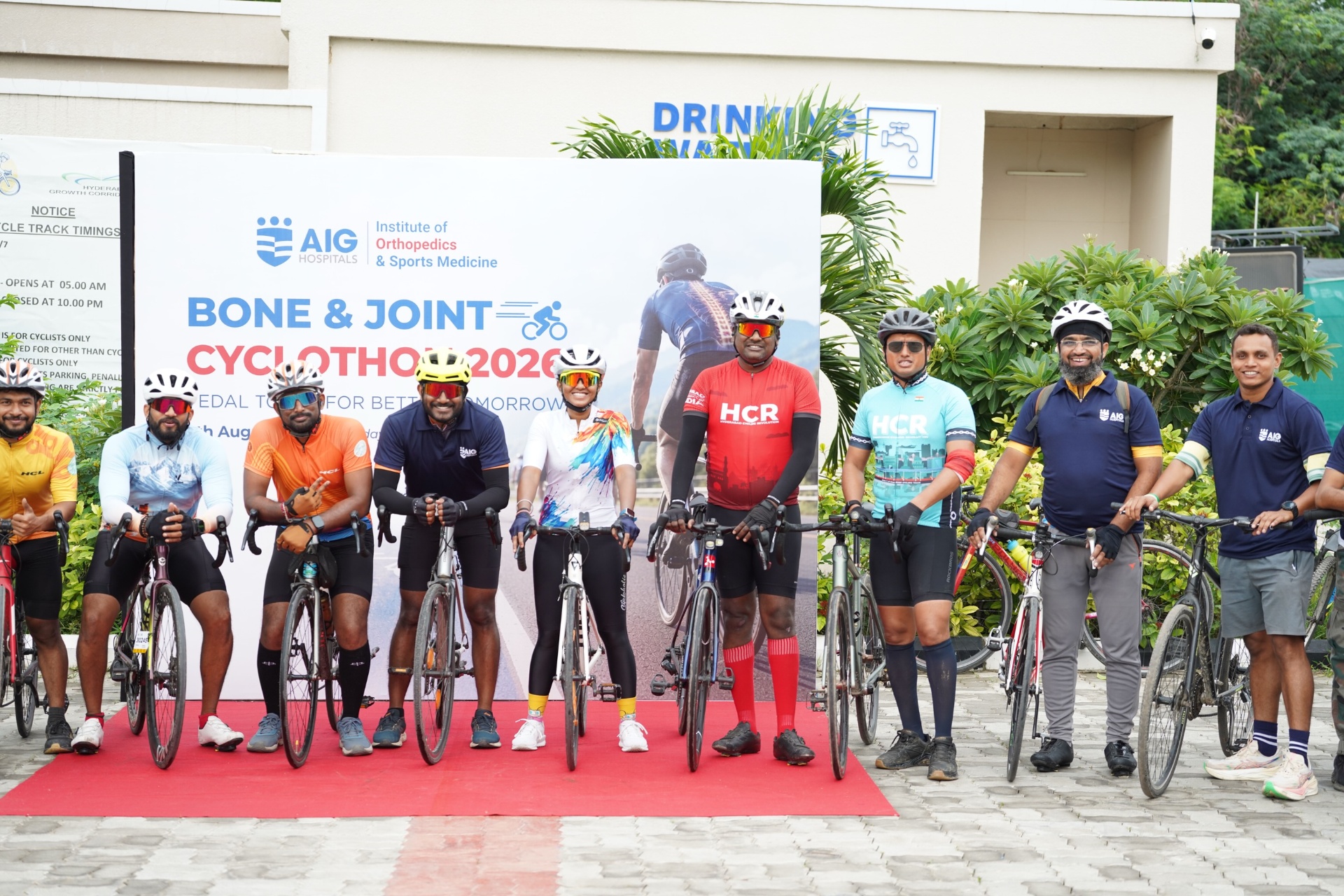
AIG Cyclothon · Start line
Bone & Joint Cyclothon — pedal today for a better tomorrow.
Photograph · @ravi_revolution
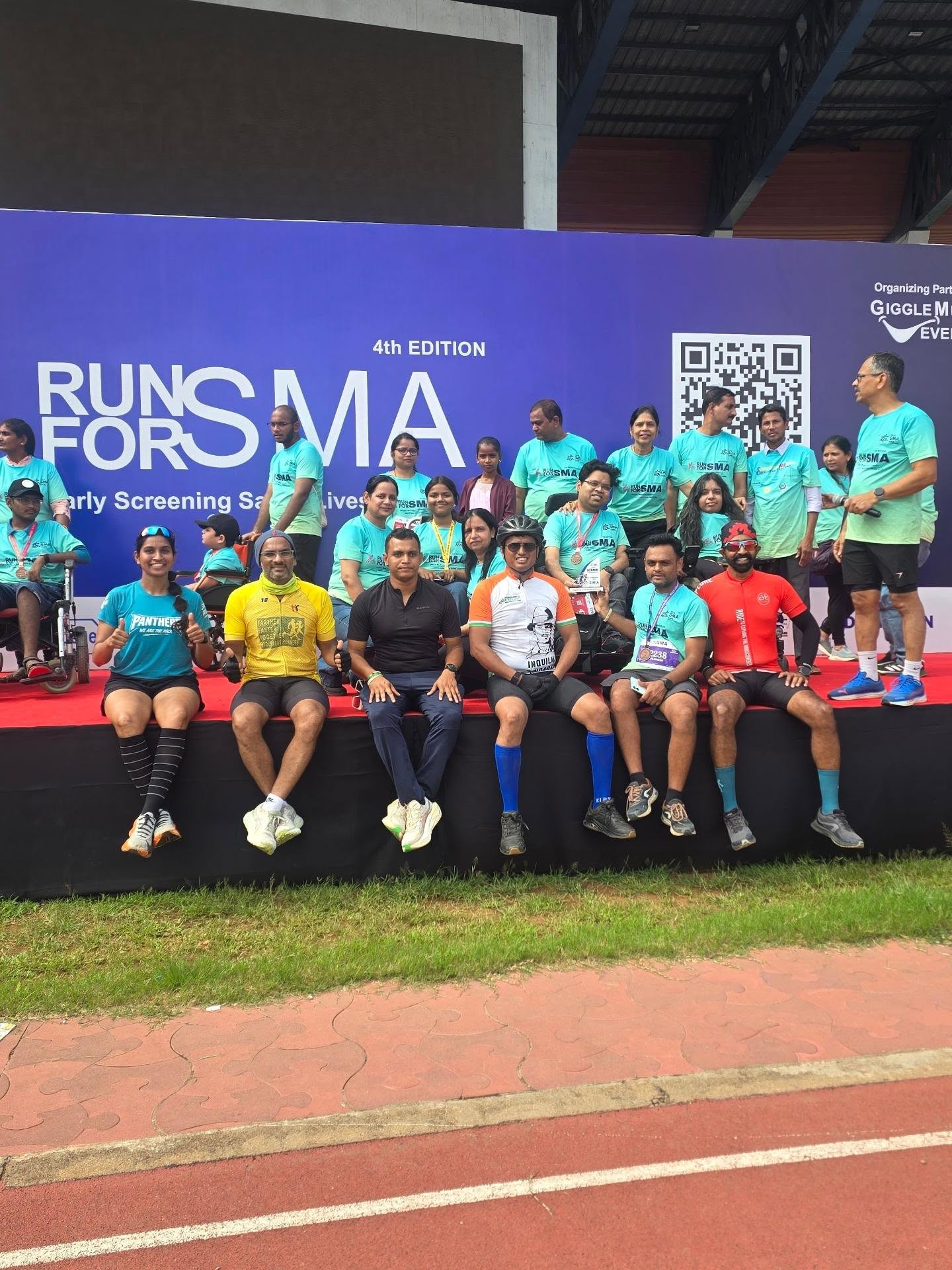
Run for SMA · 4th edition
Thank you for being the voice of SMA.
Photograph · @ravi_revolution
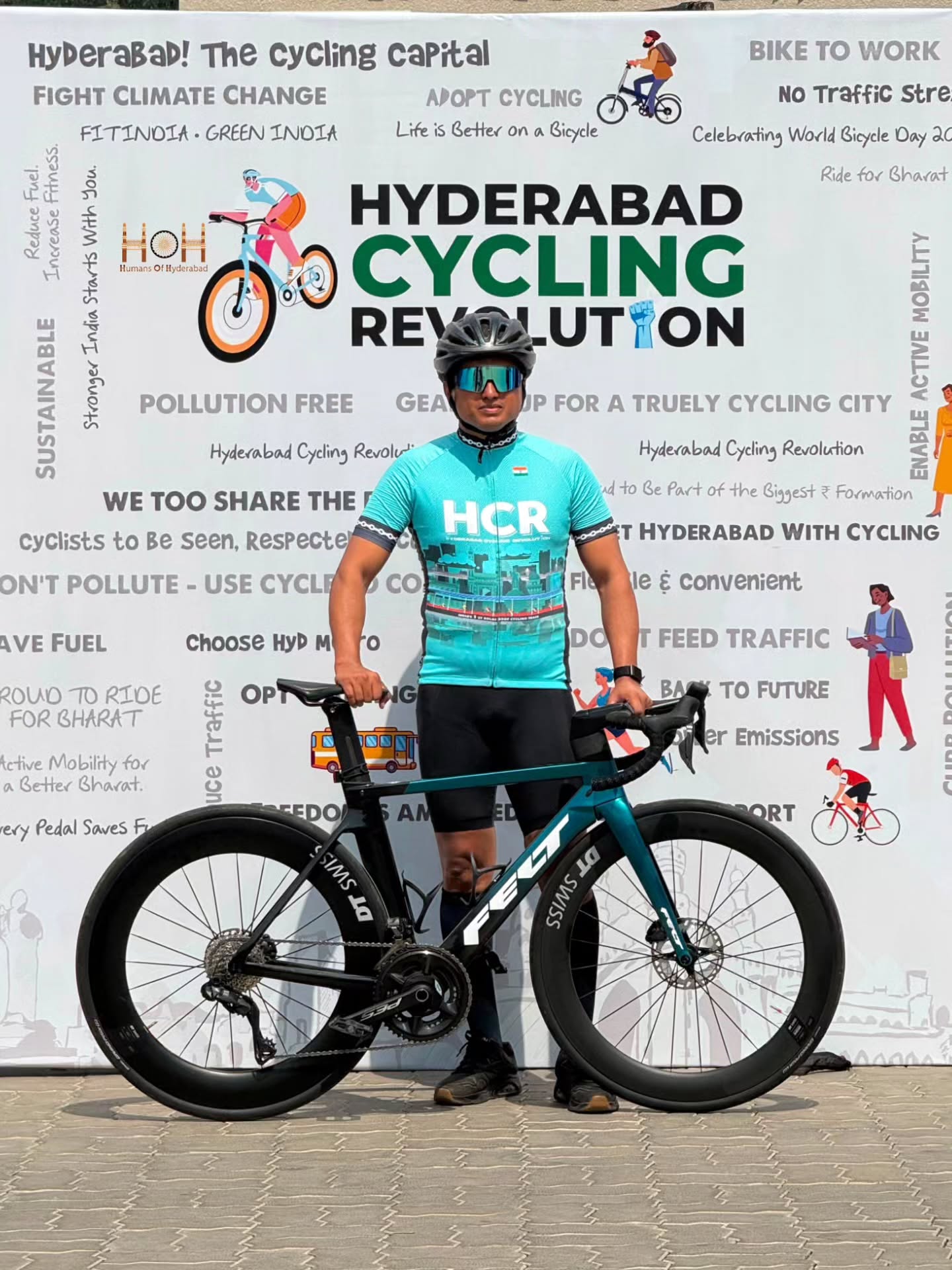
HCR campaign · World Bicycle Day
Every slogan on that wall started as a ride.
Photograph · @ravi_revolution
Community outreach
Some of the work happens off the saddle.
Photograph · @ravi_revolution
Run for SMA · Group
Early screening saves lives.
Photograph · @ravi_revolution
AIG Cyclothon · Partners
Hospitals, agencies and riders on the same start line.
Photograph · @ravi_revolution
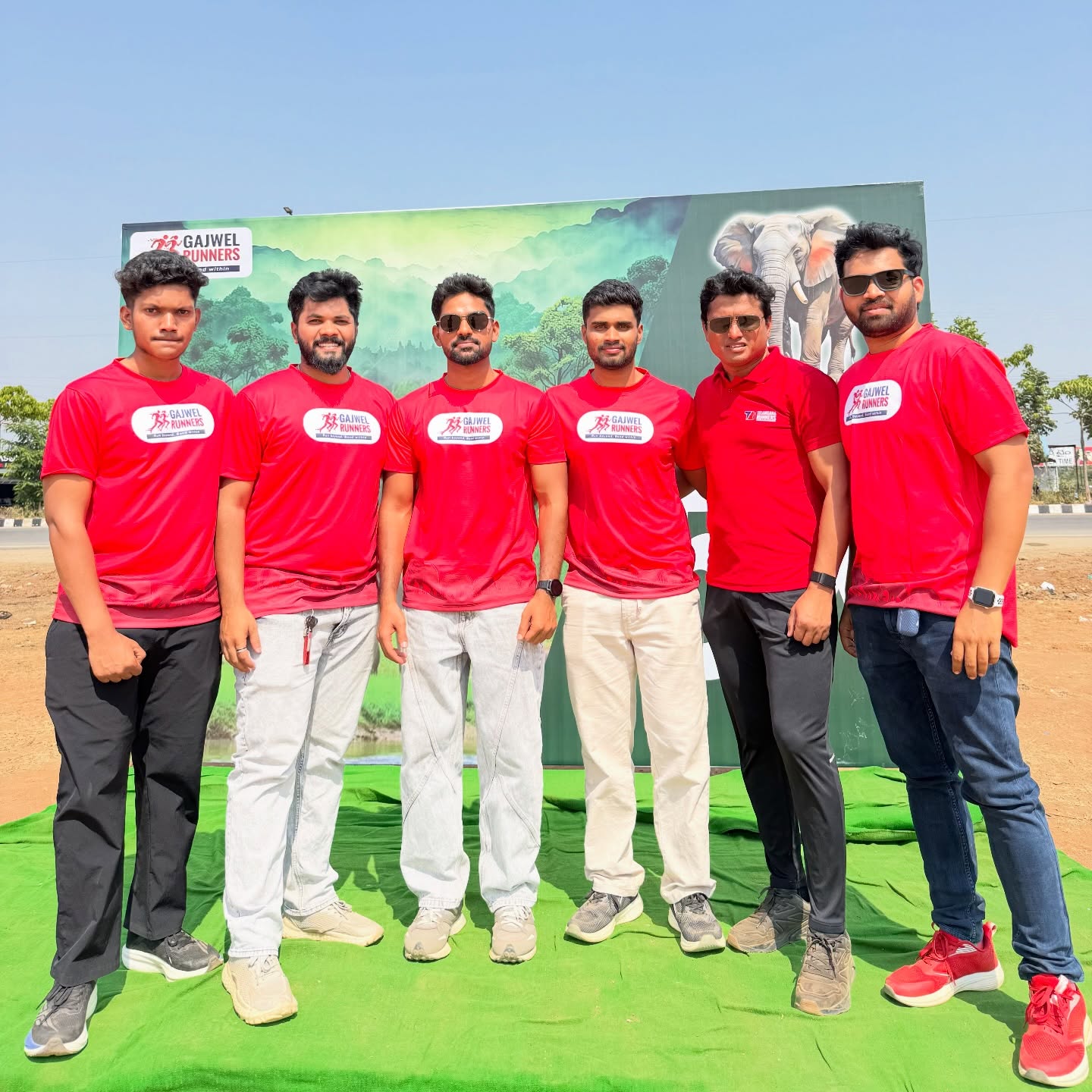
Gajwel Runners
Running clubs, cycling clubs, one active-mobility network.
Photograph · @ravi_revolution
Media & evidence
Every claim, traceable.
Every section on this page traces back to one of these. Grouped by theme, labelled by the kind of source they come from.
Origin & road safety
The 2021–22 incident that set the campaign in motion, and the road-safety coverage that followed.
- Media reportedThe News Minute, 2022 — Hyderabad cyclist run over by drunk driver diesOpen source ↗
- Media reportedTimes of India, 2022 — 'We own the road too': city cyclistsOpen source ↗
- Media reportedTimes of India, 2022 — City cyclists plan revolution to reclaim roadsOpen source ↗
- Media reportedTimes of India, 2026 — Cyclists launch Street Audit IndiaOpen source ↗
The campaign, version by version
How Hyderabad Cycling Revolution grew from rides into an active-mobility platform.
- Media reportedTelangana Today, 2023 — HCR 3.0: pedalling for active mobilityOpen source ↗
- Media reportedTimes of India, 2024 — Hyderabad runs high on freedomOpen source ↗
- Official/InstitutionalTelangana Today, 2026 — Sundays on Cycle at IIT HyderabadOpen source ↗
- Media reportedHumans of Hyderabad — HCR story archiveOpen source ↗
- Media reportedHyderabad Mail — Hyderabad Cycling RevolutionOpen source ↗
Service & youth mobility
Relief Riders, Project Diya and bicycles that go to people who need them.
Infrastructure, Musi & heritage
The ORR cycling track, and the river rides that turned into a restoration conversation.
- HCR reportedHCR — The story of the 21 km ORR cycling trackOpen source ↗
- Media reportedHumans of Hyderabad — Pedalling through history: Musi engagementOpen source ↗
- Media reportedTimes of India, 2024 — Community champions rally to restore Musi's gloryOpen source ↗
- Media reportedDeccan Chronicle — Musi river revamp lauded by residentsOpen source ↗
Video & social
Rides, campaigns and community moments as published on video and social platforms.
- Public ProfileYouTube — Hyderabad Cycling Revolution filmOpen source ↗
- Public ProfileFacebook — Ride reelOpen source ↗
- Public ProfileFacebook — Campaign postOpen source ↗
- Public ProfileFacebook — Community postOpen source ↗
- Public ProfileFacebook — Ride recapOpen source ↗
- HCR reportedHyderabad Cycling Revolution — XOpen source ↗
- Public ProfileRavi Netha — XOpen source ↗
- Public ProfileRavi Netha — LinkedInOpen source ↗
Contact